

Why are women + members of other marginalised groups more likely to occupy leadership roles in times of crisis? GIWL Director Professor Michelle Ryan explains her vital research into the so-called "glass cliff" - women seemingly being up high, yet teetering on the edge. Read more on BroadAgenda
You may also like
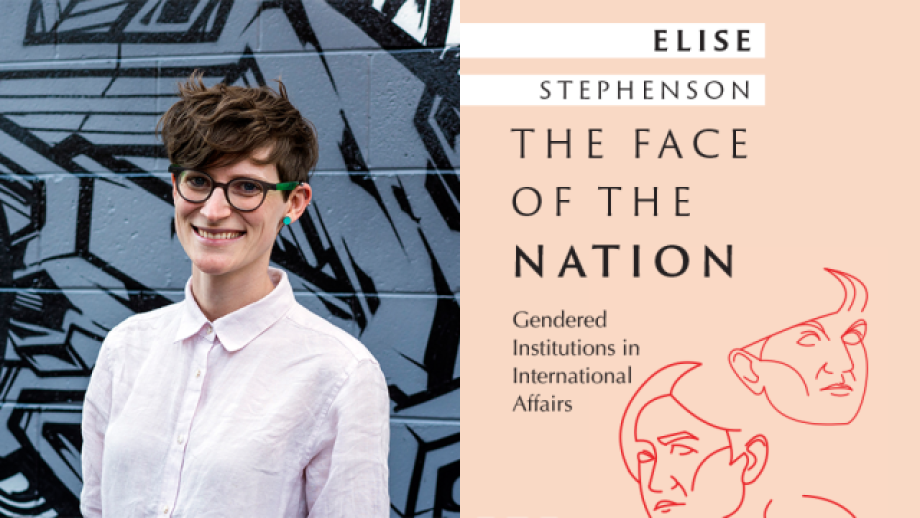
The Face of the Nation: Gendered Institutions in International Affairs
International affairs is undergoing fundamental and rapid gendered change, spurred on by shifting social and governance norms and the adoption of explicit feminist foreign policies in some states.
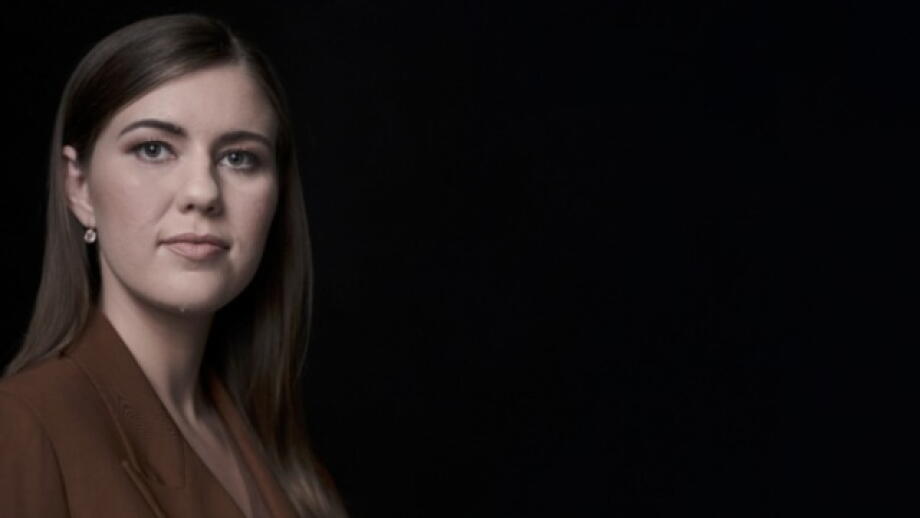
Brittany Higgins takes up key women's leadership role at ANU
Former political staffer and women's safety and equality advocate Brittany Higgins has been appointed as the inaugural Visiting Fellow at The Australian National University's Global…
Competitive work culture fuels impostor syndrome, new study finds
A competitive workplace culture can add to feelings of “impostor syndrome” amongst employees, according to a new study by an international team of researchers, including from The Global Institute for…